
Things to do in Zurich by area and interest
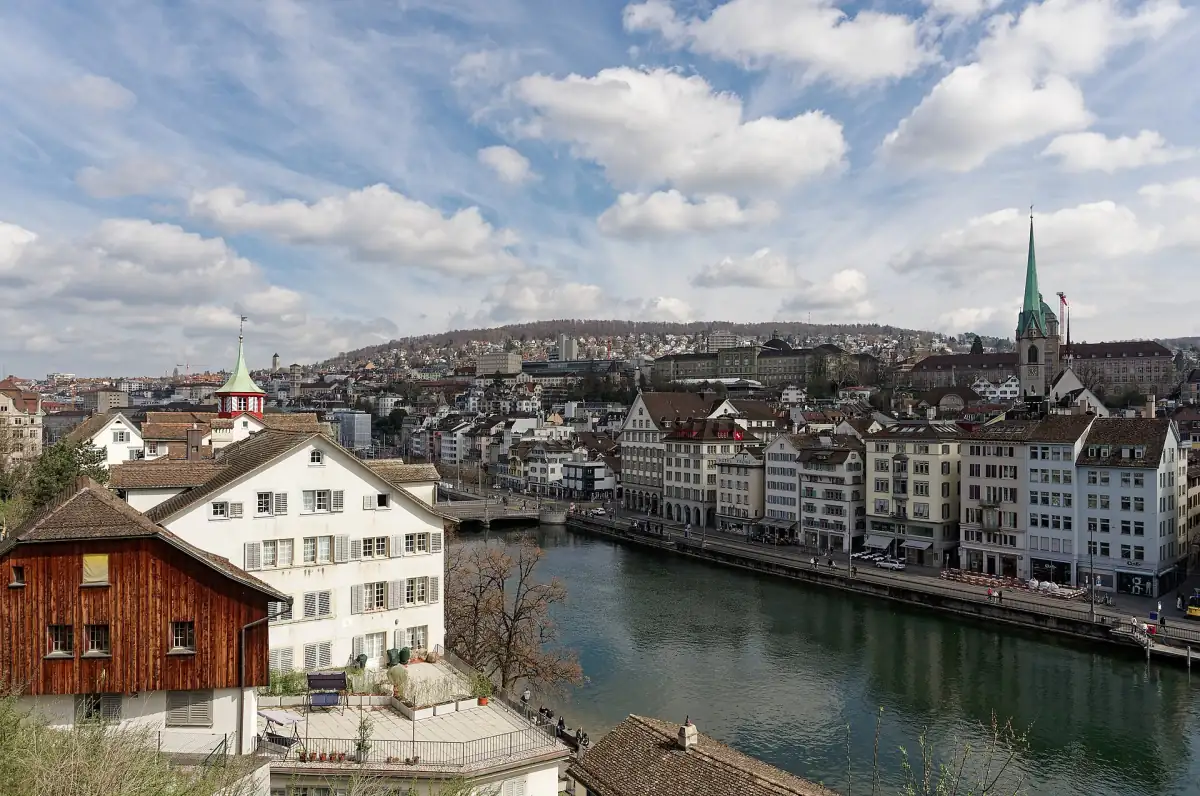
The things to do in Zurich become easier to arrange when you use the old town and waterfront as your starting points. The historic centre is accessible on foot from the main station. Niederdorf is on the right bank of the Limmat and is described as a car-free part of the old town. Lindenhof provides a view across the river towards the town hall and Grossmünster.
Begin with the places you want to see outside, then decide which interior deserves time in your day. A church visit, an art collection and a Swiss-history museum each need a different plan. The old-town guide explains church access in detail, while the museum guide separates subjects, admission categories and locations. This page helps you connect them geographically.
Bahnhofstrasse and the historic centre
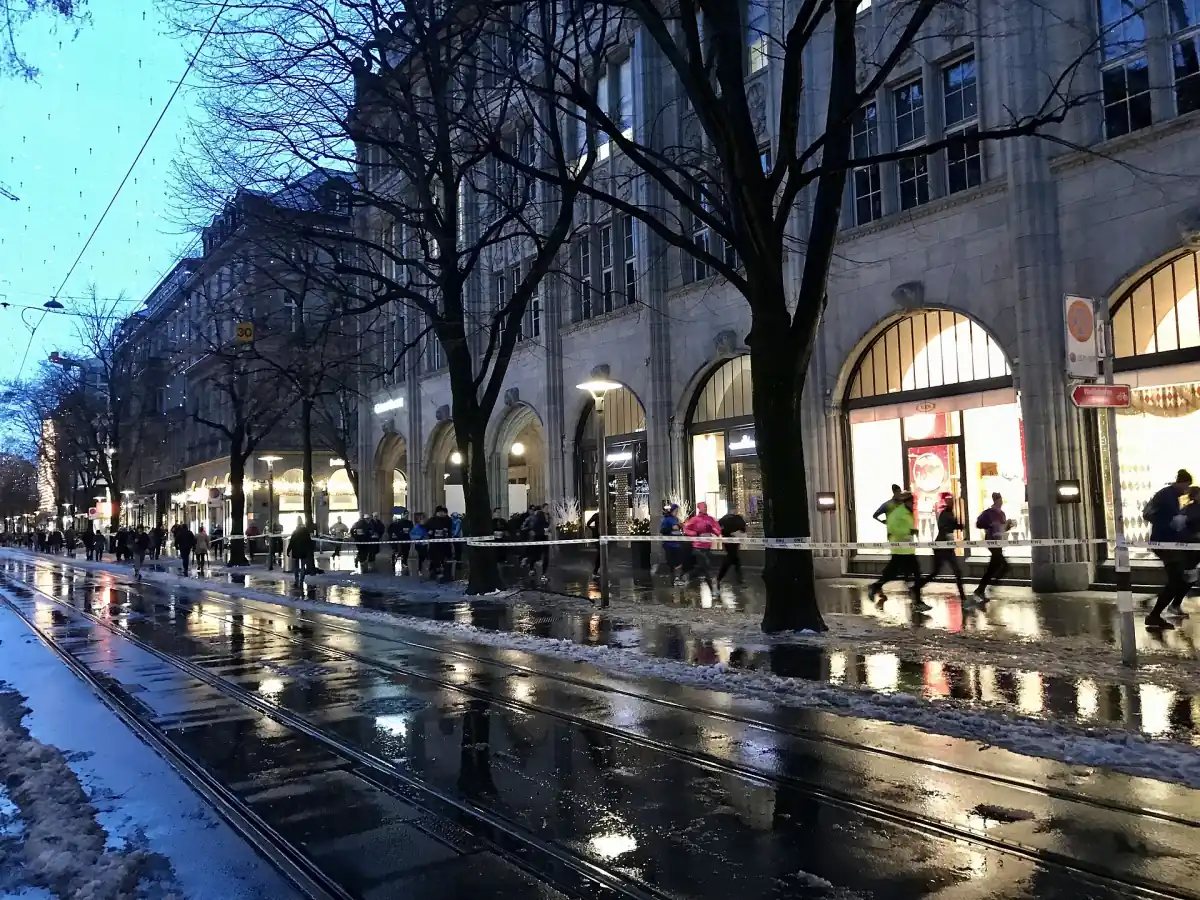
Bahnhofstrasse is the shopping axis through the historic centre, following the course of an earlier city moat. It works as a subject for a walk even when shopping is not your main interest. Look at how a present-day commercial street fits into the older city, then combine it with the river and Niederdorf rather than building the whole outing around shop visits.
If a particular shop matters to you, check its own opening hours. For a broader introduction on foot, the two-hour guided walking experience meets in front of Central Plaza Hotel and includes a professional guide. It is a way to add guided orientation before continuing independently to the places that interest you most.
A guided city walk
A two-hour guided walk offers an introduction to Zurich.
Hand-picked tours, booked through Viator. Prices are indicative starting prices in Swiss francs (as of October 2026). Tap a tour for live availability and the current price in your currency.
A guided introduction on foot
A two-hour walking tour with a professional guide starts in front of Central Plaza Hotel, leaving the rest of your city visit open for individual interests.
Lindenhof and a view across the Limmat
Lindenhof brings the city into focus from above the river. The view takes in the Limmat, town hall and Grossmünster, giving you useful reference points before exploring more closely. Choose it when you want an overview of the old town rather than another interior visit. The scene also offers a starting point for understanding how the historic city fits around the water.
The site held a Roman fort in the fourth century and a royal residence in the ninth century. In 1798 it was the setting for an oath to the constitution of the Helvetic Republic. For a chronological route through these layers, read the Zurich history guide. You can then return to your sightseeing route with a clearer sense of which period belongs to each place.
Churches and museum interiors
At Grossmünster, entry to the church for sightseeing or quiet reflection is free, while the Karlsturm has separate admission. Since 3 August 2026, the tower opens only Friday to Sunday, with weather closures possible. The church is closed on Tuesdays for organ teaching, and special services can affect access. Use the detailed church calendar before assigning an interior visit to a particular day.
Fraumünster combines the Chagall windows with a crypt museum included in its tourist admission. Tickets are sold on site. St. Peter admits visitors outside services and celebrations; the ground floor and access lift are wheelchair accessible, while the gallery and choir are not. At the Landesmuseum beside HB, Swiss history offers an indoor counterpart to the old-town walk. Kunsthaus admission depends on your chosen collection and exhibition access.
Lake promenade and Seefeld
Choose the Seefeld waterfront when the lake is the focus of your outing. The promenade and the traffic-bearing Bellerive-, Dufour- and Seefeldstrasse areas are different parts of the district, so select the actual waterfront route you want. If you prefer time on the water, the lake cruise guide explains the current routes and ticket principles.
A low-water timetable has applied since 19 October 2026. Its access conditions matter particularly for wheelchairs and pushchairs: the published timetable advises against those journeys because boarding is difficult. Keep a shore-based walk available as an alternative. In the old-town Limmat, swimming and bridge jumping are prohibited between Quaibrücke and Lettenkanal.
Choosing activities with children
Pick an anchor activity that matches your children's interests, then keep the surrounding walk flexible. Museum admission categories differ: the Kunsthaus admits children under 14 free, while the Landesmuseum lists free admission for children and young people up to 16. Look at each museum's category rather than applying one rule across the city.
For chocolate, distinguish an outing to Kilchberg from tastings during a city walk. Lindt Home of Chocolate is closed on 3 November 2026 and opens at noon on 4 November. The chocolate guide explains the formats. Build in breaks before adding another activity, especially when the day already includes a museum or guided walk.
Sightseeing questions
Where can a first walk begin?
The old town is accessible on foot from Zürich HB. Bahnhofstrasse, Niederdorf and the Lindenhof view give you different ways to become familiar with the historic centre.
Are church entry and tower entry the same?
At Grossmünster the church visit is free, while Karlsturm admission is separate. Its current Friday-to-Sunday opening rule and weather conditions matter when planning a climb.
What is a useful indoor option?
Choose the Landesmuseum for Swiss history, the Kunsthaus for art, or the chocolate museum in Kilchberg for a separate outing. Match the ticket and visit date to the chosen location.